
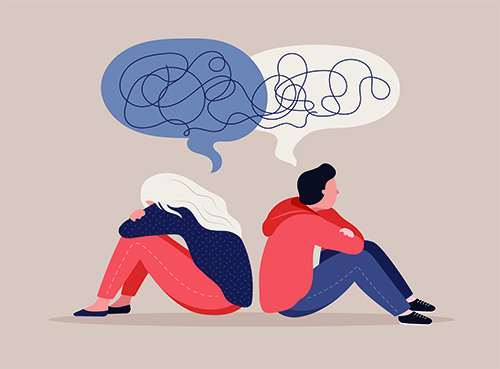
Arguments and conflict are an inevitable part of a romantic relationship. And, while no one is suggesting that conflict is fun, it is healthy and - if handled correctly - can lead to growth and better communication. When you can talk about your problems together, you are one step closer to solving them.
As a couples’ therapist, I teach my clients that understanding why they fight and how to navigate these disagreements is the key to maintaining a strong and resilient partnership. So, let’s look at some of the factors that contribute to conflict in relationships and consider strategies for handling them constructively.
Read more: Why Couples Fight (And Some Strategies for Managing Conflict)
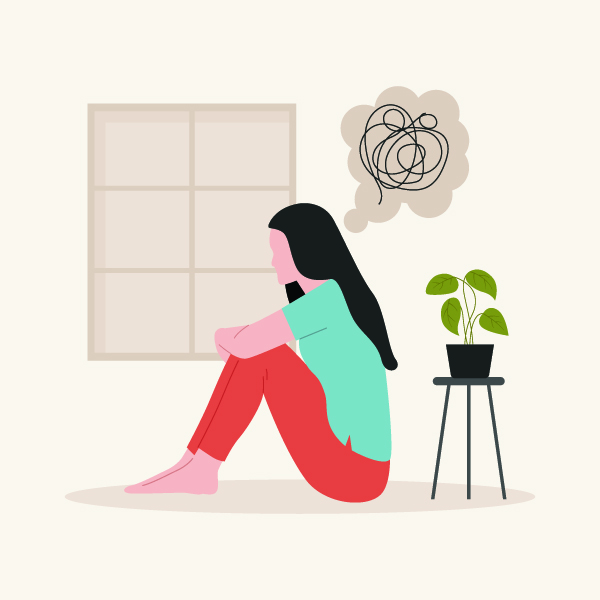
Autism (also called autism spectrum disorder) was once believed to affect predominantly men and boys. But we now know this to be untrue.
A 2017 study[1], which analysed 54 studies with more than 13,700,000 participants, found that the ratio of men and boys with autism compared to women and girls is around three to one. The researchers identified that women and girls are less likely to receive a clinical diagnosis than their male counterparts.
One of the reasons for this is that autistic girls and women can be very adept at ‘masking’ or camouflaging their differences. As therapists, we use the term ‘unmasking’ to describe the process of revealing a person’s true self and identity from beneath layers of social conformity. Unmasking is a vital but complex journey for autistic girls and women and it’s crucial to remember that each individual’s experience is unique. This blog offers insights and guidance for people on the spectrum and those who support them.
Read more: Unmasking the Authentic Self: Understanding and Supporting Autistic Girl

(And What You Can Do About Them)
When we embark on a loving relationship it can be a beautiful journey filled with love and companionship and growth. But, over time, repeating patterns of behaviour can begin to emerge and we may become stuck in conflict and frustration. The relationship may begin to stagnate and problems can spiral.
As a therapist, I see numerous couples and witness how such repeating patterns can lead to ongoing relationship difficulties and misunderstandings. So, what can be done to tackle these repeating patterns and halt the downward spiral?
Here are six of the most common patterns of behaviour that couples can experience and some tips on how to break these patterns…
Read more: Six Repeating Patterns That Could Hinder Your Relationship
Page 3 of 3

